

Kicking off with The Future of Legal-Tech: How AI is Streamlining Document Review, this opening paragraph is designed to captivate and engage the readers, setting the tone casual formal language style that unfolds with each word.
The content of the second paragraph that provides descriptive and clear information about the topic
Overview of Legal-Tech and AI
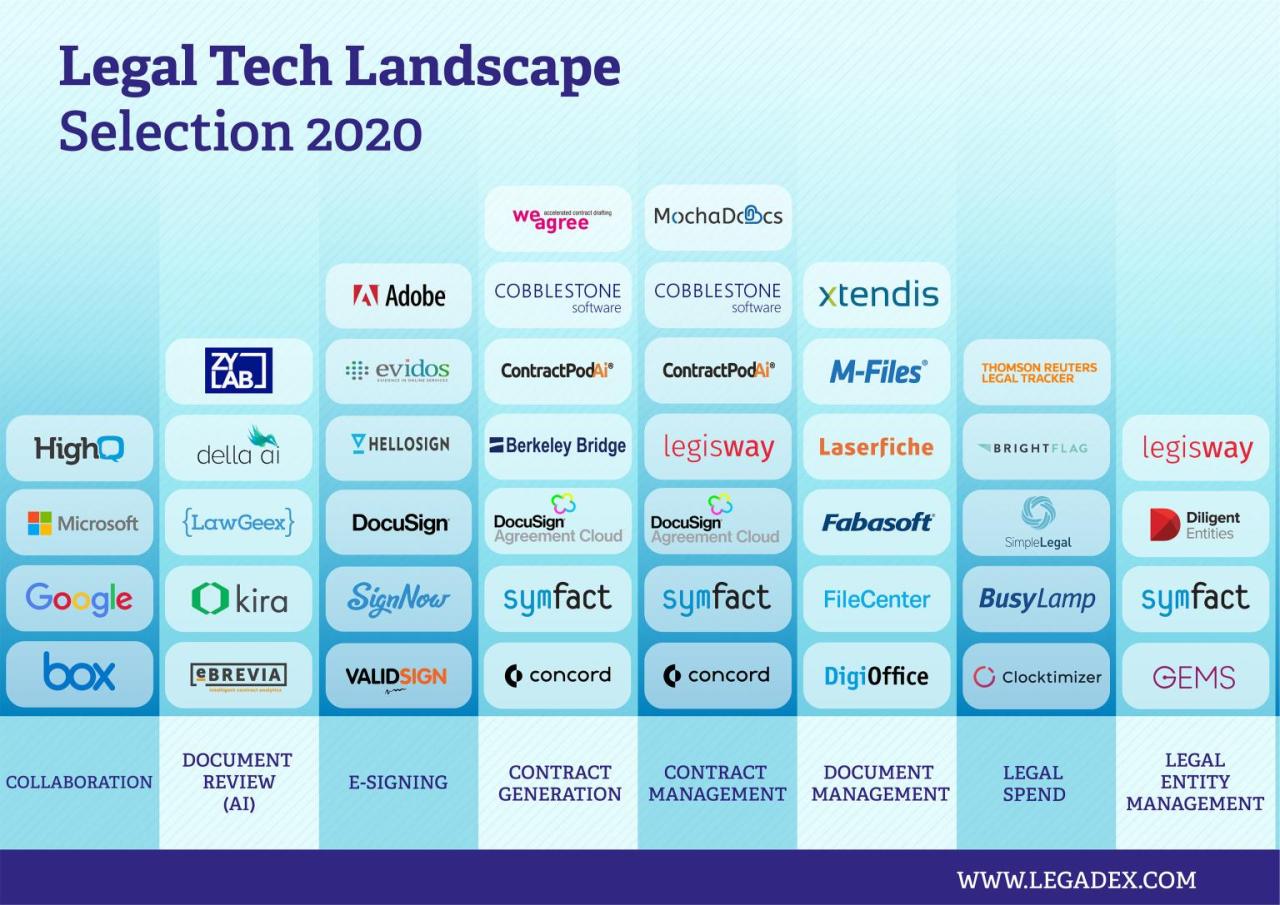 Legal-tech refers to the use of technology to provide legal services and improve the efficiency of legal processes. In the legal industry, where documentation is crucial, AI is playing a significant role in transforming document review processes. By leveraging AI-powered tools, legal professionals can streamline the review of large volumes of documents, saving time and improving accuracy.
AI in Document Review
AI tools are being used to streamline document review processes in the legal field. These tools utilize machine learning algorithms to analyze and categorize documents, identify key information, and flag relevant content for further review. Some examples of AI tools used for document review include:- Contract Analysis Software: AI-powered software can quickly review contracts, extract key terms, and identify potential risks or discrepancies.
- E-Discovery Platforms: AI algorithms can sift through massive amounts of electronic data to find relevant information for legal cases, reducing the time and cost associated with manual review.
- Natural Language Processing (NLP) Tools: NLP technology enables AI systems to understand and interpret human language, making it easier to search and review documents for specific content.
Benefits of AI in Document Review
AI technology has revolutionized the legal industry, especially in the realm of document review. By leveraging AI tools, legal professionals can experience a myriad of benefits that enhance accuracy, efficiency, and overall productivity in reviewing legal documents. Let's delve into the advantages of using AI for document review and explore how AI technologies have transformed this critical aspect of legal work.Enhanced Accuracy
AI-powered document review tools are equipped with advanced algorithms that can quickly and accurately analyze vast amounts of legal documents. These tools can identify relevant information, extract key data points, and categorize documents with precision, significantly reducing the margin of error in the review process. By minimizing human error and ensuring consistency in document analysis, AI enhances the accuracy of legal document review, ultimately leading to more reliable outcomes.Improved Efficiency
One of the most significant advantages of AI in document review is the substantial increase in efficiency it offers. AI algorithms can sift through massive volumes of documents in a fraction of the time it would take a human reviewer. By automating repetitive tasks, such as document categorization, redaction, and information extraction, AI streamlines the review process and allows legal professionals to focus their time and energy on higher-level tasks that require human expertise. This boost in efficiency not only saves time but also reduces costs associated with manual document review processes.Real-world Cases
Several real-world examples demonstrate the tangible benefits of using AI in document review. For instance, a leading law firm implemented an AI-powered platform that reduced document review time by 50% while maintaining a high level of accuracy. In another case, a legal department in a corporation utilized AI tools to review contracts, resulting in a significant reduction in review time and improved risk management. These cases highlight how AI technologies have transformed document review practices, leading to more efficient, accurate, and cost-effective outcomes.Challenges and Limitations
Implementing AI in legal document review comes with its own set of challenges that need to be addressed for successful integrationHandling Complex Legal Documents
When it comes to handling complex legal documents, AI tools may face limitations in understanding nuanced legal language, especially in cases where interpretation and context are crucial. This can lead to errors or oversights that could have legal implications. Additionally, the sheer volume of legal documents and the need for precise analysis pose challenges for AI systems.- AI tools may struggle with understanding the subtleties of legal jargon and specific terminology, leading to inaccuracies in document review.
- Complex legal documents often involve intricate relationships between clauses and sections, which AI may find challenging to interpret correctly.
- The need for human intervention and oversight is still crucial in complex legal cases, as AI tools may not be able to grasp the full context or implications of certain legal documents.
Overcoming Challenges
To overcome these challenges, continuous training and refinement of AI algorithms are essential. By providing AI systems with more diverse and extensive datasets, they can improve their understanding of legal language and nuances. Collaboration between legal experts and AI developers is also vital to ensure that AI tools are continuously updated and refined to meet the evolving needs of legal document review.Combining the expertise of legal professionals with the capabilities of AI can lead to more accurate and efficient document review processes.
Ethical and Legal Implications
AI-powered document review in the legal industry brings about various ethical and legal implications that need to be carefully considered. From data privacy concerns to the impact on confidentiality and the regulatory framework, these implications play a crucial role in shaping the future of legal-tech.Data Privacy and Confidentiality
AI-powered document review involves the processing of vast amounts of sensitive information, raising significant concerns about data privacy and confidentiality. Legal practices must ensure that AI tools are equipped with robust security measures to protect client data from breaches or unauthorized access. The use of encryption, access controls, and regular security audits are essential to safeguarding sensitive information during the document review process.Regulatory Framework
The use of AI in the legal industry is subject to regulatory oversight to ensure compliance with ethical standards and legal requirements. Regulatory bodies are increasingly focusing on the use of AI tools in legal practices to prevent bias, ensure transparency, and uphold the rule of law. Legal professionals must navigate complex regulatory frameworks to ensure that the use of AI in document review adheres to industry standards and best practices.Summary
The content of the concluding paragraph that provides a summary and last thoughts in an engaging manner
FAQ Compilation
What are some common challenges faced in implementing AI in legal document review?
Common challenges include data security concerns, integration with existing systems, and user adoption.
How does AI enhance accuracy and efficiency in reviewing legal documents?
AI can quickly analyze vast amounts of data, identify patterns, and reduce human error, leading to more precise and faster document reviews.
Continue this structure for all FAQs