

Starting with Contract Law for Freelancers: Ensuring You Get Paid on Time, Every Time, the discussion unfolds in a captivating manner, enticing readers with a unique and informative narrative.
The subsequent paragraph contains detailed and informative content about the topic
Overview of Contract Law for Freelancers
Understanding contract law is crucial for freelancers to protect their rights, ensure payment, and establish clear expectations with clients.
Importance of Understanding Contract Law
- Contracts provide legal protection and clarity for both parties involved in a freelance project.
- Having a solid contract in place can help freelancers avoid disputes and misunderstandings with clients.
- Contract law governs the terms of payment, project scope, deadlines, and intellectual property rights.
Common Issues Freelancers Face Without Proper Contracts
- Non-payment or late payment for services rendered.
- Scope creep where clients expect additional work beyond the initial agreement without additional compensation.
- Disputes over intellectual property ownership and usage rights.
Key Components of a Freelancer Contract
- Scope of Work: Clearly define the services to be provided, project timelines, and deliverables.
- Payment Terms: Artikel the payment schedule, rates, and any late payment penalties.
- Intellectual Property Rights: Specify who owns the rights to the work created and how it can be used.
- Termination Clause: Include conditions under which either party can terminate the contract.
- Confidentiality Agreement: Protect sensitive information shared during the project.
Ensuring Payment Terms in Freelance Contracts
![How to Pay Foreign Freelancers [Convenient Methods!] - Portfolink](https://legal.bekentv.id/wp-content/uploads/2026/03/how-get-paid-time-freelancer.jpg "How to Pay Foreign Freelancers [Convenient Methods!] - Portfolink")
Clear payment terms in freelance contracts are crucial to ensure timely payments and avoid disputes. By clearly outlining the payment schedule, method, and any late fees, both parties can have a mutual understanding of expectations.
Significance of Clear Payment Terms
Having clear payment terms in a freelance contract is essential for several reasons:
- Prevents misunderstandings: Clear payment terms help avoid confusion and ensure both parties are on the same page regarding payment expectations.
- Establishes accountability: By defining payment deadlines and consequences for late payments, freelancers can hold clients accountable for timely payments.
- Protects against non-payment: In the event of non-payment, having clear terms can serve as evidence of the agreed-upon payment structure.
Best Practices for Setting Payment Terms
When setting payment terms in freelance contracts, consider the following best practices:
- Specify payment schedule: Clearly Artikel when payments are due, whether it's upon completion of the project, in installments, or at specific milestones.
- Include payment method: State the preferred payment method (e.g., bank transfer, PayPal) to avoid delays or confusion.
- Define late fees: Establish consequences for late payments, such as interest charges or suspension of work until payment is received.
- Invoice details: Include all necessary information on invoices, such as project details, payment due date, and accepted payment methods.
Consequences of Not Having Clear Payment Terms
Not having clear payment terms in a freelance contract can lead to various issues:
- Payment delays: Without clear guidelines, clients may delay or avoid payment altogether, causing financial strain for freelancers.
- Disputes: Ambiguity in payment terms can result in disagreements between the freelancer and client, leading to potential legal battles.
- Lack of protection: In the absence of clear terms, freelancers may struggle to prove their entitlement to payment in case of non-payment.
Strategies for Enforcing Payment in Freelance Contracts
Ensuring timely payment is crucial for freelancers to maintain financial stability and business operations. Here are some strategies freelancers can employ to enforce payment in freelance contracts:
Legal Options for Enforcing Payment
- Send a formal demand letter outlining the owed amount, payment terms, and consequences of non-payment.
- Initiate legal action by filing a lawsuit in small claims court or hiring a collections agency.
- Consider utilizing alternative dispute resolution methods like mediation or arbitration.
Steps to Escalate Payment Issues
- Communicate clearly and professionally with the client regarding overdue payments.
- Set deadlines for payment and follow up consistently through emails or phone calls.
- Document all interactions and agreements related to payment terms.
Comparing the Effectiveness of Different Strategies
- Legal action may be effective but can be time-consuming and costly.
- Alternative dispute resolution methods can provide quicker resolutions without the need for formal court proceedings.
- Maintaining open communication and setting clear expectations with clients can often lead to amicable resolutions without legal intervention.
Handling Disputes and Non-Payment Situations
As a freelancer, dealing with disputes and non-payment situations can be challenging. It is essential to have a clear understanding of how to handle these issues effectively to protect your rights and get paid for your work.Handling Disputes with Clients
When faced with a dispute over payment with a client, it is crucial to stay calm and professional. Here are some steps you can take to handle disputes effectively:- Communicate clearly and document all interactions related to the dispute.
- Review your contract to understand the payment terms and obligations of both parties.
- Try to negotiate a resolution with the client amicably before escalating the issue.
- Seek mediation or arbitration services if you are unable to resolve the dispute directly with the client.
Pursuing Legal Action for Non-Payment
If you find yourself in a situation where a client refuses to pay for your services, you may need to consider legal action. Here is the process of pursuing legal action for non-payment as a freelancer:- Send a formal demand letter outlining the amount owed and a deadline for payment.
- Consult with a lawyer to understand your legal options and the best course of action.
- File a lawsuit in small claims court or pursue arbitration if necessary.
- Enforce any court judgments or arbitration awards to collect the payment owed to you.
Tips for Avoiding and Resolving Non-Payment Situations
To prevent non-payment situations and protect yourself as a freelancer, consider the following tips:- Always have a clear and detailed contract outlining payment terms, deadlines, and consequences for non-payment.
- Request a deposit or partial payment upfront to secure your services and ensure commitment from the client.
- Invoice promptly and follow up on late payments to address any issues early on.
- Build strong client relationships based on trust and communication to prevent misunderstandings.
- Consider using escrow services or milestone payments for larger projects to ensure payment at different stages of the project.
Closing Summary
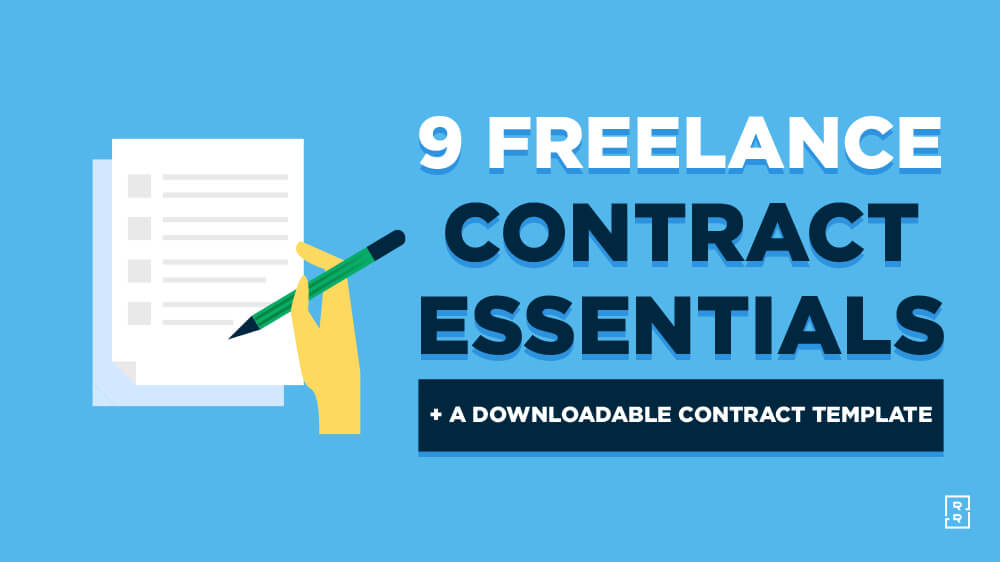
Concluding with a summary that encapsulates the key points in an engaging way
User Queries
What are the consequences of not having clear payment terms in a contract?
Without clear payment terms, freelancers may face delays or non-payment issues, leading to financial disputes and strains on client relationships.
How can freelancers effectively resolve non-payment situations?
Freelancers can implement strategies such as sending formal demand letters, seeking legal advice, or taking legal action to resolve non-payment effectively.
What key components should be included in a freelancer contract?
Key components include scope of work, payment terms, project timelines, deliverables, dispute resolution mechanisms, and termination clauses.