Delve into the complexities of Employment Law for Startups: Avoiding Common Compliance Pitfalls with a captivating narrative that draws readers in, setting the stage for a deep dive into the intricacies of legal compliance in the startup world.
Exploring the nuances of employment law for startups is crucial for navigating potential pitfalls that could hinder growth and success.
Overview of Employment Law for Startups
Employment law for startups refers to the regulations and legal requirements that govern the relationship between employers and employees in a startup setting. It covers a wide range of issues such as hiring, wages, working conditions, discrimination, termination, and more.
Startups need to pay attention to employment law compliance to avoid legal trouble, financial penalties, and reputational damage. Failing to comply with employment laws can result in costly lawsuits, fines, and even closure of the business.
Common Employment Law Pitfalls for Startups
- Misclassifying Employees: Misclassifying employees as independent contractors can lead to violations of wage and hour laws, tax obligations, and benefits entitlement.
- Ignoring Anti-Discrimination Laws: Failing to comply with anti-discrimination laws can result in lawsuits for discrimination based on age, gender, race, religion, or disability.
- Not Having Proper Documentation: Lack of employment agreements, employee handbooks, or proper record-keeping can make it difficult to defend against legal claims.
- Violating Wage and Hour Laws: Not paying minimum wage, overtime, or providing required breaks can lead to costly penalties and lawsuits.
- Wrongful Termination: Terminating employees without following proper procedures or for discriminatory reasons can result in wrongful termination claims.
Hiring Practices and Compliance
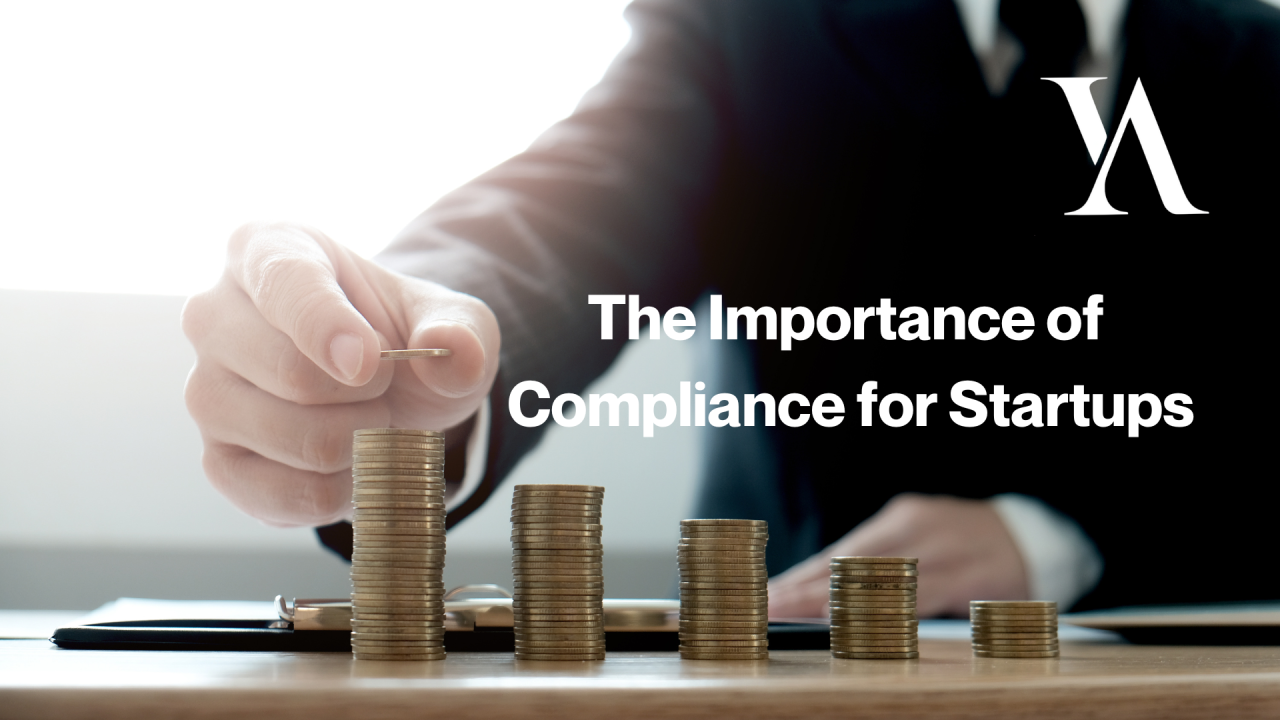 When hiring employees for a startup, there are key legal considerations that need to be taken into account to ensure compliance with employment laws. Startups must navigate through various regulations to avoid potential pitfalls that could lead to legal issues in the future.
Non-Discriminatory Hiring Practices
- Startups should ensure that their hiring practices do not discriminate against candidates based on factors such as race, gender, age, religion, or disability.
- Implementing structured interview processes and using objective criteria for evaluating candidates can help in ensuring fair and non-discriminatory hiring practices.
- Training hiring managers and recruiters on diversity and inclusion can also contribute to creating a more inclusive hiring process.
Conducting Legal Background Checks
- Before conducting background checks on potential employees, startups must obtain consent from the candidates and inform them about the type of information that will be collected.
- Complying with the Fair Credit Reporting Act (FCRA) is essential when conducting background checks, as it regulates the use of consumer reports for employment purposes.
- Ensure that background checks are relevant to the job requirements and do not include information that is not permissible under the law.
Employment Contracts and Agreements
When it comes to startups, having proper employment contracts and agreements in place is crucial to avoid potential legal pitfalls and protect both the company and its employees.Essential Components of Employment Contracts for Startups
- Job title and description
- Salary and benefits
- Work schedule and location
- Confidentiality and non-disclosure agreements
- Termination clauses
Importance of Clear Job Descriptions and Roles in Employment Agreements
- Clear job descriptions help set expectations for both parties
- Define roles and responsibilities to avoid misunderstandings
- Help in performance evaluations and goal setting
- Provide a basis for employee training and development
Non-Compete Agreements to Protect Startup’s Intellectual Property
- Prevent employees from competing with the startup during or after employment
- Protect sensitive information and trade secrets
- Ensure the startup's proprietary information remains confidential
- Help maintain a competitive edge in the market
Wage and Hour Compliance
Startup employers need to be aware of the laws surrounding minimum wage and overtime pay to ensure they are compliant with regulations.
Laws Regarding Minimum Wage and Overtime Pay
- Minimum Wage: The federal minimum wage is $7.25 per hour, but some states have higher minimum wage rates that employers must adhere to.
- Overtime Pay: Non-exempt employees who work more than 40 hours in a workweek must be paid at least one and a half times their regular rate of pay for overtime hours.
Ensuring Compliance with Wage and Hour Laws
- Regularly review federal and state minimum wage rates to ensure employees are being paid appropriately.
- Classify employees correctly as exempt or non-exempt to determine who is eligible for overtime pay.
- Maintain accurate records of employee work hours, breaks, and any overtime worked.
Tracking and Documenting Employee Work Hours
- Implement a reliable timekeeping system to accurately track employee work hours.
- Require employees to clock in and out for each shift and break.
- Train managers and supervisors on the importance of accurately documenting employee work hours to avoid compliance issues.
Workplace Safety and Health Regulations
Startups must adhere to specific occupational safety and health requirements to ensure a safe work environment for their employees.
Creating a Safe Work Environment
- Implement regular safety training sessions for employees to educate them on proper procedures and protocols.
- Conduct regular safety inspections to identify potential hazards and address them promptly.
- Provide appropriate safety gear and equipment for employees working in hazardous conditions.
- Establish clear emergency protocols and procedures in case of accidents or incidents.
Common Workplace Safety Violations and Prevention
- Failure to provide proper training and safety equipment: Ensure all employees receive adequate training and have access to necessary safety gear.
- Ignoring safety regulations and guidelines: Stay updated on safety regulations and ensure compliance at all times.
- Unsafe work practices: Encourage employees to follow safe work practices and provide guidance on proper procedures.
- Poor maintenance of work areas: Regularly inspect work areas and maintain a clean and safe environment for employees.
Handling Employee Terminations
When it comes to terminating employees in a startup, there are several legal considerations that must be taken into account. It is crucial to ensure that the termination process is fair, legal, and well-documented to avoid any potential legal issues in the future.Importance of Documentation
- Documenting performance issues leading to termination is essential to provide a clear record of the reasons behind the decision.
- Having proper documentation can help protect the startup in case of any legal disputes or claims of wrongful termination.
- Documentation also helps in maintaining consistency in the termination process and ensures that all employees are treated fairly.
Tips for Fair and Legal Terminations
- Clearly communicate expectations to employees and provide opportunities for improvement before considering termination.
- Follow the startup's established policies and procedures for terminations to ensure consistency.
- Consider offering a severance package or other benefits to departing employees to ease the transition.
- Consult with legal counsel to ensure that the termination process complies with all relevant employment laws and regulations.
End of Discussion
In conclusion, understanding and adhering to employment law regulations is paramount for startups to thrive in a competitive landscape, safeguarding their interests and fostering a conducive work environment for all employees.
FAQ Corner
What are the key legal considerations when hiring employees for a startup?
Key legal considerations include ensuring non-discriminatory practices, conducting legal background checks, and complying with employment laws.
Why is it important for startups to have clear job descriptions in employment agreements?
Clear job descriptions help set expectations, define roles, and prevent misunderstandings that could lead to legal disputes.
How can startups ensure compliance with wage and hour laws?
Startups can ensure compliance by understanding minimum wage requirements, tracking employee work hours accurately, and adhering to overtime pay regulations.
What are some common workplace safety violations that startups should avoid?
Common violations include inadequate safety training, lack of proper equipment maintenance, and failure to provide a safe work environment.
How should startups handle employee terminations to ensure legal compliance?
Startups should document performance issues leading to termination, conduct terminations fairly, and adhere to legal guidelines to mitigate risks.