

Diving into the realm of maritime law, this article explores its critical role in the world of global shipping and logistics. From ensuring safety and security to resolving disputes, maritime law plays a pivotal role in shaping the maritime industry. Let's unravel the complexities and significance of maritime law together.
Importance of Maritime Law
Maritime law plays a crucial role in regulating global shipping and logistics, ensuring smooth operations, safety, and fair practices in the maritime industry. It encompasses a set of rules and regulations that govern various aspects of maritime activities, from vessel operations to cargo transportation.Regulating Global Shipping and Logistics
Maritime law establishes standards and guidelines for shipping companies, vessel operators, and other stakeholders involved in global logistics. It ensures compliance with international conventions and treaties, promoting uniformity and consistency in maritime operations.Ensuring Safety, Security, and Environmental Protection
One of the key aspects of maritime law is to prioritize safety, security, and environmental protection in the maritime industry. It sets forth regulations related to vessel maintenance, crew training, emergency response protocols, and pollution prevention measures to safeguard the well-being of both maritime personnel and the marine environment.Resolving Disputes and Enforcing Contracts
Maritime law provides a legal framework for resolving disputes that may arise in the course of maritime operations, such as contract breaches, cargo damage claims, or collision incidents. It offers mechanisms for dispute resolution, including arbitration and mediation, to ensure fair and timely resolution of conflicts.Maintaining Order at Sea
By establishing clear rules and procedures, maritime law helps maintain order and discipline at sea. It regulates issues such as navigation, port access, salvage operations, and maritime boundaries, contributing to the overall efficiency and stability of global shipping and logistics.International Maritime Conventions and Treaties
International maritime conventions and treaties play a crucial role in regulating global shipping practices, ensuring safety, environmental protection, and standardization of regulations across different countries.Key International Conventions and Treaties
- SOLAS (International Convention for the Safety of Life at Sea): Established in 1914, SOLAS sets minimum safety standards for ships, including construction, equipment, and operation.
- MARPOL (International Convention for the Prevention of Pollution from Ships): Enacted in 1973, MARPOL aims to minimize marine pollution by regulating the discharge of harmful substances into the sea.
- UNCLOS (United Nations Convention on the Law of the Sea): Adopted in 1982, UNCLOS governs all aspects of ocean space, including maritime boundaries, navigation rights, and resource management.
Impact of Conventions like SOLAS, MARPOL, and UNCLOS
- SOLAS ensures that ships comply with safety standards, reducing the risk of accidents and protecting the lives of crew and passengers.
- MARPOL helps in preventing pollution by setting strict regulations on the disposal of oil, chemicals, sewage, and garbage from ships, safeguarding marine ecosystems.
- UNCLOS promotes peaceful uses of the seas, facilitating international communication, trade, and resource exploration while resolving disputes through a legal framework.
Harmonization of Regulations and Standards
International maritime conventions and treaties such as SOLAS, MARPOL, and UNCLOS harmonize regulations and standards across different countries, creating a level playing field for global shipping practices. By establishing uniform guidelines, these conventions facilitate international trade, promote environmental sustainability, and ensure the safety and security of maritime activities worldwide.Rights and Responsibilities of Ship Owners and Operators
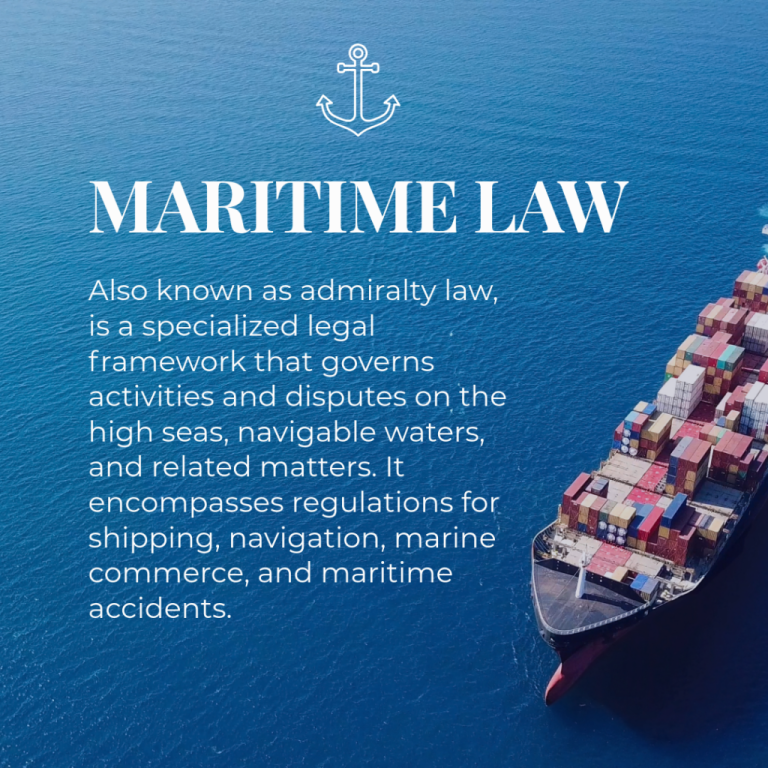
Ship owners and operators play a crucial role in the maritime industry, and they have specific rights and responsibilities Artikeld under maritime law to ensure the smooth operation of vessels and compliance with regulations.
Rights of Ship Owners and Operators
- Ship owners have the right to choose the crew members for their vessels, ensuring that they meet the necessary qualifications and training requirements.
- Operators have the right to determine the routes and schedules for their ships, taking into account factors such as weather conditions, port availability, and cargo requirements.
- Ship owners and operators also have the right to enter into contracts with third parties for services related to the operation of the vessel, such as maintenance, repair, and insurance.
Responsibilities of Ship Owners and Operators
- Ship owners are responsible for ensuring the safety and well-being of the crew members on board, providing adequate training, accommodations, and medical care as required by international maritime regulations.
- Operators are responsible for the proper handling and stowage of cargo on their vessels, ensuring that it is secure and in compliance with international shipping standards to prevent accidents or environmental damage.
- Ship owners and operators have a legal obligation to maintain their vessels in seaworthy condition, conducting regular inspections, repairs, and maintenance to ensure the safety of the crew, cargo, and the environment.
- Compliance with safety and environmental regulations is a crucial responsibility of ship owners, ensuring that their vessels meet the necessary standards to prevent accidents, pollution, and other risks to maritime safety and security.
Liability and Compensation in Maritime Law
The concept of liability in maritime law is crucial as it determines who is responsible for damages, accidents, or losses that occur during maritime activitiesTypes of Compensation in Maritime Law
- General Average: This principle in maritime law dictates that if a ship or its cargo is in danger and sacrifices are made to save the entire voyage, all parties involved share the losses proportionally. This ensures that all stakeholders contribute to the collective risk management efforts.
- Limitation of Liability: Ship owners and operators can limit their liability for certain incidents, such as pollution or collisions, to a specified amount based on the vessel's tonnage. This mechanism protects them from excessive financial burdens in case of accidents.
Promoting Accountability and Risk Management
Liability and compensation provisions in maritime law play a significant role in promoting accountability and risk management in the shipping industry. By holding parties responsible for their actions and providing mechanisms for compensation, maritime law encourages safe practices and efficient risk mitigation strategies.
Enforcement and Compliance Mechanisms
 Enforcement and compliance mechanisms play a crucial role in ensuring the adherence to maritime regulations to maintain safety and order at sea. Various entities such as flag states, port states, and international organizations work together to monitor and enforce maritime law through inspections, audits, and penalties.
Role of Flag States
Flag states are responsible for ensuring that vessels flying their flag comply with international maritime regulations. They conduct inspections to verify that ships meet safety standards and environmental requirements. Flag states also issue certificates to ships that demonstrate compliance with relevant conventions and treaties.Role of Port States
Port states have the authority to inspect foreign vessels entering their ports to ensure compliance with international regulations. They can detain ships that fail to meet safety standards or pose a risk to the marine environment. Port states play a vital role in enforcing maritime law by conducting thorough inspections and audits.Role of International Organizations
International organizations such as the International Maritime Organization (IMO) establish and enforce global maritime regulations. They provide guidelines and standards for safety, security, and environmental protection in the shipping industry. Through cooperation with member states, international organizations promote a culture of compliance and safety at sea.End of Discussion
In conclusion, the importance of maritime law cannot be overstated in the realm of global shipping and logistics. It serves as the backbone of regulations that govern the seas, ensuring smooth operations and accountability. As we navigate through the vast oceans of international trade, understanding maritime law is key to a successful voyage.
Detailed FAQs
What are the key aspects of maritime law?
Maritime law regulates global shipping and logistics, ensuring safety, security, and environmental protection, resolving disputes, and maintaining order at sea.
How do international conventions impact maritime law?
International conventions like SOLAS, MARPOL, and UNCLOS harmonize regulations across countries to facilitate smooth global shipping practices.
What are the rights and responsibilities of ship owners and operators?
Ship owners and operators have legal obligations under maritime law, addressing crew welfare, cargo liability, and compliance with safety regulations.